Choosing the right New Supermarket Shelf can significantly impact the customer experience. Industry expert John Smith, a consultant with over 15 years of experience, states, “The right shelf not only displays products but also tells a story.” This highlights the importance of selection in creating an inviting shopping environment.
When considering your shelves, think about visibility and accessibility. Customers should easily spot popular items. A clever shelf design can draw attention to new products. Consider the flow of the store and how a New Supermarket Shelf can enhance it. Placement matters.
Reflecting on the options available, it’s essential to weigh durability against aesthetics. Sometimes, the most beautiful designs lack functionality. Explore materials and layouts that align with your brand. A New Supermarket Shelf should reflect your store's identity and cater to your customer’s needs.
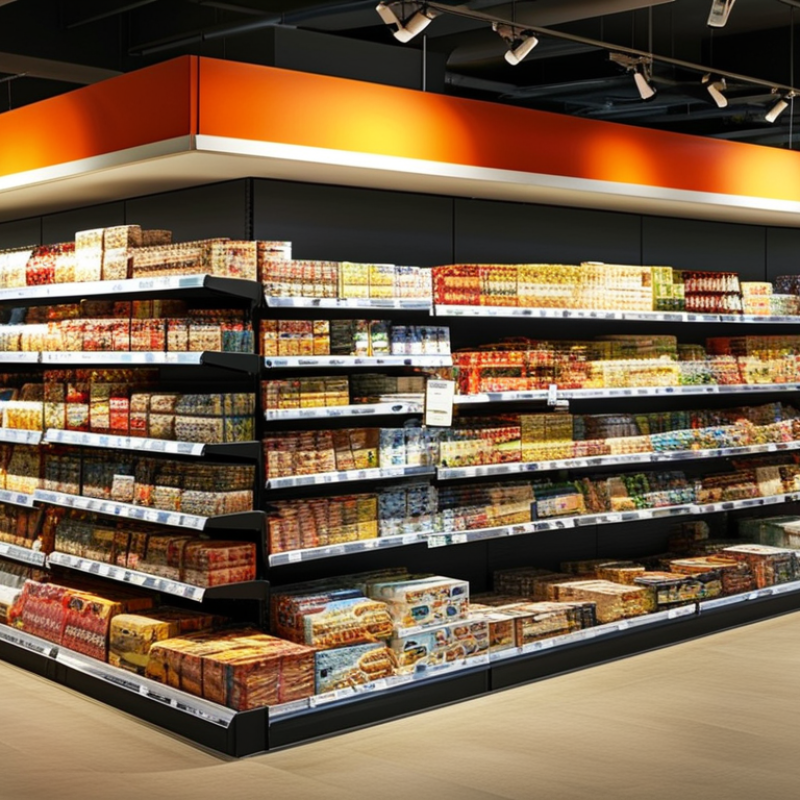
Supermarket shelving solutions play a crucial role in the retail environment. They influence product visibility and accessibility. By understanding customer behavior, retailers can make informed choices. Effective shelving can increase sales and enhance the shopping experience.
Choosing the right shelving involves considering various factors. The layout of your store should guide your selection. Different products have unique display needs. Taller shelves may improve visibility, while shorter ones can facilitate customer interaction. However, overloading shelves can lead to a cluttered appearance. Merchandising should always encourage flow and accessibility.
It's vital to monitor the effectiveness of your shelving. Regularly assess sales data and customer feedback. Sometimes, popular products may need more prominent displays. Occasionally, less popular items may be crowded together. This requires ongoing adjustments to optimize your store's layout. Striking the right balance in shelving is an art that takes time and reflection.
When selecting the right supermarket shelf, consider the layout and flow of your store. Various types of shelves exist, each serving different purposes. For instance, gondola shelves provide versatility for aisles, while end caps attract attention at checkout points. Assess how much space you have and what items you plan to display.
Additionally, think about the materials used in different shelves. Metal shelves are durable and easy to clean but can be heavy. Wood shelves offer a warm aesthetic but may require more maintenance. Your choice should align with the products you sell and your store's overall design.
Reflecting on these options can be a challenge. You may find that certain shelves don’t fit your vision after they are installed. It’s essential to remain flexible and ready to adjust. Prioritizing customer experience by evaluating shelf choices can impact sales positively. Consider these factors carefully before making your final decision.
When selecting supermarket shelves, several key factors come into play. Product visibility is crucial. According to the Food Marketing Institute, approximately 70% of purchasing decisions are made at the shelf. Ensuring your shelves allow for clear visibility helps attract customers and boost sales. Designs that enhance accessibility and arrangement can lead to a more organized shopping experience.
Another important factor is durability. With an estimated 60% of retail accidents caused by improper shelving, it's essential to choose robust materials. Strong and stable shelves can significantly reduce liability risks. Additionally, consider the flexibility of the shelving system. Modular designs enable easy adjustments to accommodate seasonal products or promotions.
Lastly, evaluate the aesthetic value of your shelves. Research from Nielsen suggests that visually appealing shelves can increase customer dwell time by up to 25%. Investing in attractive and functional shelving can create an inviting atmosphere. Consider colors, textures, and styles that resonate with your brand identity. Remember, every detail counts in enhancing the overall shopping experience.
Choosing the right materials for supermarket shelves impacts both costs and durability significantly. Store owners often overlook how these variables can affect the shopping experience. A solid shelf can hold a considerable weight of products, maintaining stability over time. On the other hand, a cheaper option might buckle under pressure.
Wood, metal, and plastic are common materials. Wood brings a classic look and offers decent durability. However, it can be prone to warping or damage from moisture. Metal shelves are sturdy and long-lasting, perfect for heavy items. Yet, they can be more expensive initially. Plastic shelves are lightweight and affordable, but they may not withstand heavy loads very well. The trade-offs between aesthetics, durability, and budget are crucial but often neglected.
Investing in high-quality materials can save costs in the long run. Frequent replacements due to wear or damage can add up. Customers notice the difference too. A well-maintained, durable shelving unit enhances their shopping experience. As you evaluate options, consider longevity versus initial cost. It’s a balance that requires thought and reflection. Aim for a solution that meets both durability needs and financial constraints.
| Shelf Material | Cost per Unit ($) | Durability (Years) | Weight Capacity (lbs) | Maintenance Requirements |
|---|---|---|---|---|
| Metal | 75 | 20 | 500 | Low |
| Wood | 50 | 15 | 300 | Medium |
| Plastic | 40 | 10 | 200 | High |
| Glass | 100 | 12 | 150 | Medium |
| Laminate | 60 | 8 | 250 | Low |
Creating an efficient store layout requires thoughtful planning. The right shelving solutions can boost your sales and enhance customer experience. Research shows that store layout can influence purchasing behavior by up to 30%. Customers are more likely to spend when they can easily access products. Effective shelving is essential in leading them through the store.
Maximizing space is crucial. Utilize vertical shelving to make the most of your area. Studies indicate that taller shelves can increase product visibility by 50%. However, don’t sacrifice accessibility. Ensure that customers can reach items comfortably. It’s important to balance aesthetics with function. Some layouts may look appealing but may hinder shopper movement.
Consider the flow of your store. Are customers encouraged to explore? If they tend to stick to familiar areas, adjustments are necessary. Some retailers have found that circular layouts can increase foot traffic. Yet, it may not suit all types of stores. Regular assessment of your layout can provide insights into shopper behavior. Adjustments based on data will improve efficiency and create a better shopping environment.
: Evaluate your store's layout. Gondola shelves are good for aisles, while end caps attract checkout attention.
Different materials affect durability and cleaning. Metal is strong, wood is warm but requires upkeep, and plastic is lightweight.
Clear visibility is key to sales. About 70% of decisions happen at the shelf, impacting customer engagement significantly.
Durable shelves reduce accidents. Around 60% of retail accidents relate to poor shelving, so sturdiness is vital.
Yes, modular designs allow flexibility. You can easily change arrangements for promotions or seasonal items.
Attractive shelves can increase dwell time by 25%. Colors and textures that align with your brand enhance the shopping experience.
Yes, high-quality shelves may cost more upfront but can reduce long-term replacement costs and enhance customer satisfaction.
Think about how shelves fit your vision. Some may not look right once installed, so staying flexible is essential.
Balance aesthetics, durability, and budget. High-quality options may be pricier initially but can save you money over time.
Well-chosen shelves improve organization and visibility, leading to a better shopping atmosphere and potentially higher sales.
Choosing the best new supermarket shelf is crucial for optimizing store operations and enhancing customer experience. Understanding the importance of supermarket shelving solutions allows retailers to present products effectively, driving sales and improving accessibility. When evaluating different types of supermarket shelves, it's essential to consider factors such as material durability, cost, and design compatibility with the store layout.
Key factors in selecting a new supermarket shelf include the weight capacity, adjustability, and overall aesthetic alignment with the store's branding. Additionally, comparing the costs and durability of various shelf materials can help in making a budget-conscious decision. Ultimately, designing an efficient store layout that incorporates new shelving solutions can lead to better traffic flow and increased product visibility, ensuring a successful retail environment.

Hotter Commercial Equipment